
Malaysia is a fantastic year-round destination but knowing when to visit can make a big difference to your experience. Weather patterns, festivals, crowds, and flight prices all vary throughout the year.
This guide breaks down Malaysia’s seasons, explains how the monsoons affect different regions, and helps you choose the best months for sightseeing, beaches, and city adventures in Kuala Lumpur.

Source / Credit: Eirik Skarstein
Malaysia’s tropical climate: what to expect
Malaysia sits close to the equator, which means warm temperatures and humidity throughout the year. Most days range between 27°C and 32°C, with sunshine often interrupted by short tropical rain showers.
Unlike many destinations, Malaysia doesn’t really have a simple “wet” and “dry” season. Instead, rainfall patterns vary across the country. When the east coast is experiencing heavy monsoon rain, the west coast — including Kuala Lumpur, Penang and Langkawi — is often much drier and still great for travel.
For visitors, this means Malaysia is less about choosing the “right season” and more about choosing the right region and activities.

Source / Credit: Ishan
The “two-monsoon” pattern explained
Malaysia’s climate is shaped by two main monsoon systems.
The Southwest Monsoon (May–September) usually brings lighter rainfall and occasional fast-moving storms known as Sumatran squalls. These typically pass quickly and rarely disrupt plans for long.
The Northeast Monsoon (November–March) brings heavier rain to the east coast islands such as Perhentian and Tioman, which sometimes close during this period. However, cities on the west coast — including Kuala Lumpur — remain busy and accessible.
For travellers, this means there’s almost always a part of Malaysia enjoying good weather.

Source / Credit: Skyline Luge Kuala Lumpur
Managing the heat and humidity
Malaysia’s tropical heat can feel intense, especially around midday. The best strategy is simple: plan outdoor activities early in the morning or later in the afternoon.
Many travellers spend the hottest hours exploring air-conditioned malls, cafés, or museums before heading out again when temperatures drop slightly.
Evenings are often the most comfortable time to explore. Attractions such as Night Luge sessions at Skyline Luge Kuala Lumpur offer cooler temperatures, fresh breezes, and an entirely different atmosphere under the lights.
Source / Credit: Mehdi Ben
Rainfall patterns and outdoor planning
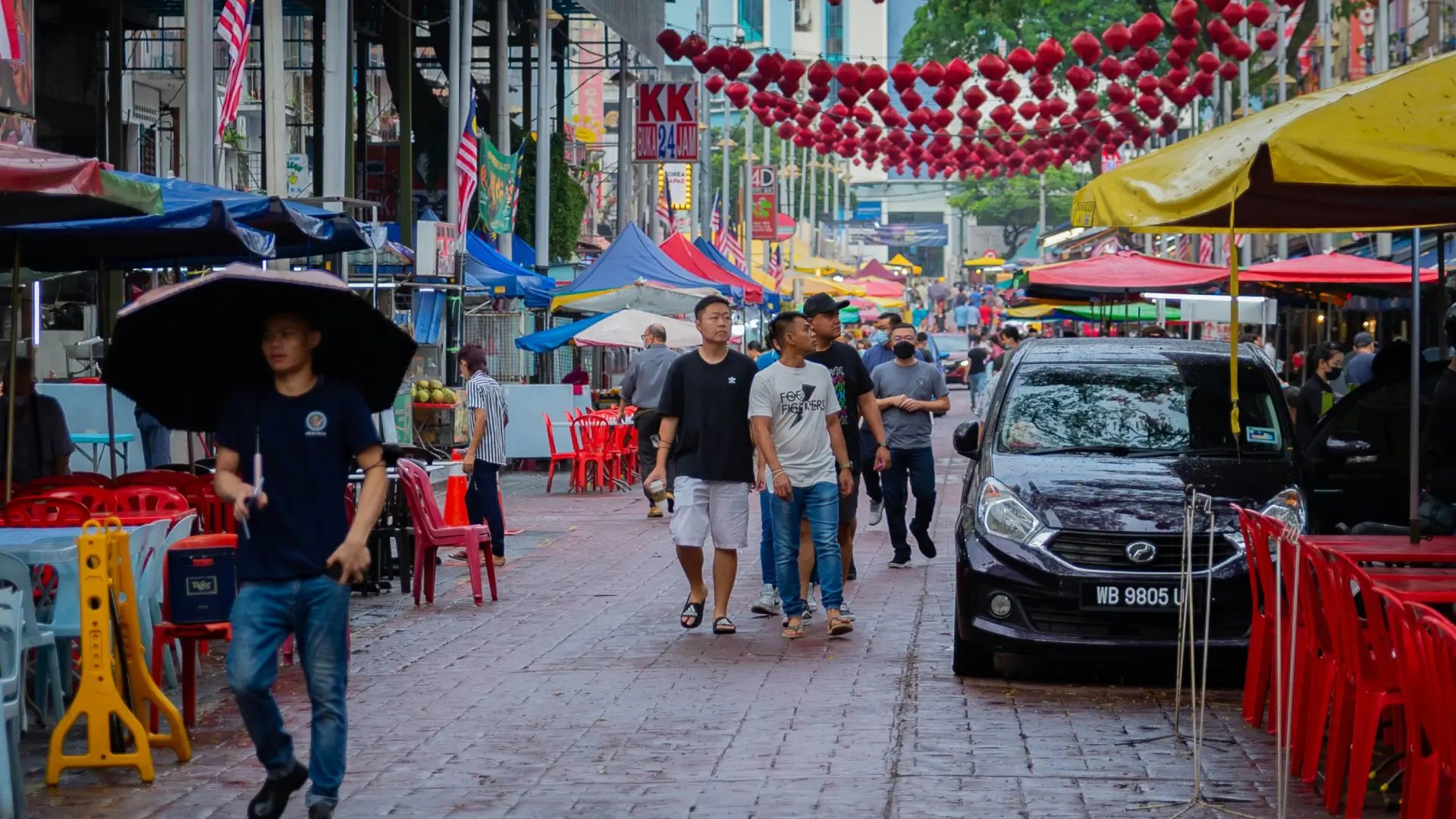
Rain in Malaysia is rarely an all-day event. Instead, it usually arrives as a short but heavy afternoon shower, often lasting one or two hours.
The key tip for travellers is not to cancel plans — simply pause them. Grab a drink, browse nearby shops, or enjoy a meal while the rain passes. Once the clouds clear, outdoor attractions and parks dry quickly in the tropical heat.
This pattern makes it surprisingly easy to continue sightseeing even during wetter months.
Finding the cheapest and easiest time to visit
For many travellers, timing a trip isn’t just about the weather — it’s also about cost and convenience. Flights, hotels, and attractions can vary significantly in price depending on the season.
Understanding Malaysia’s travel peaks and quieter months can help you find better deals and enjoy a more relaxed experience.
Source / Credit: Shubhadeep Das
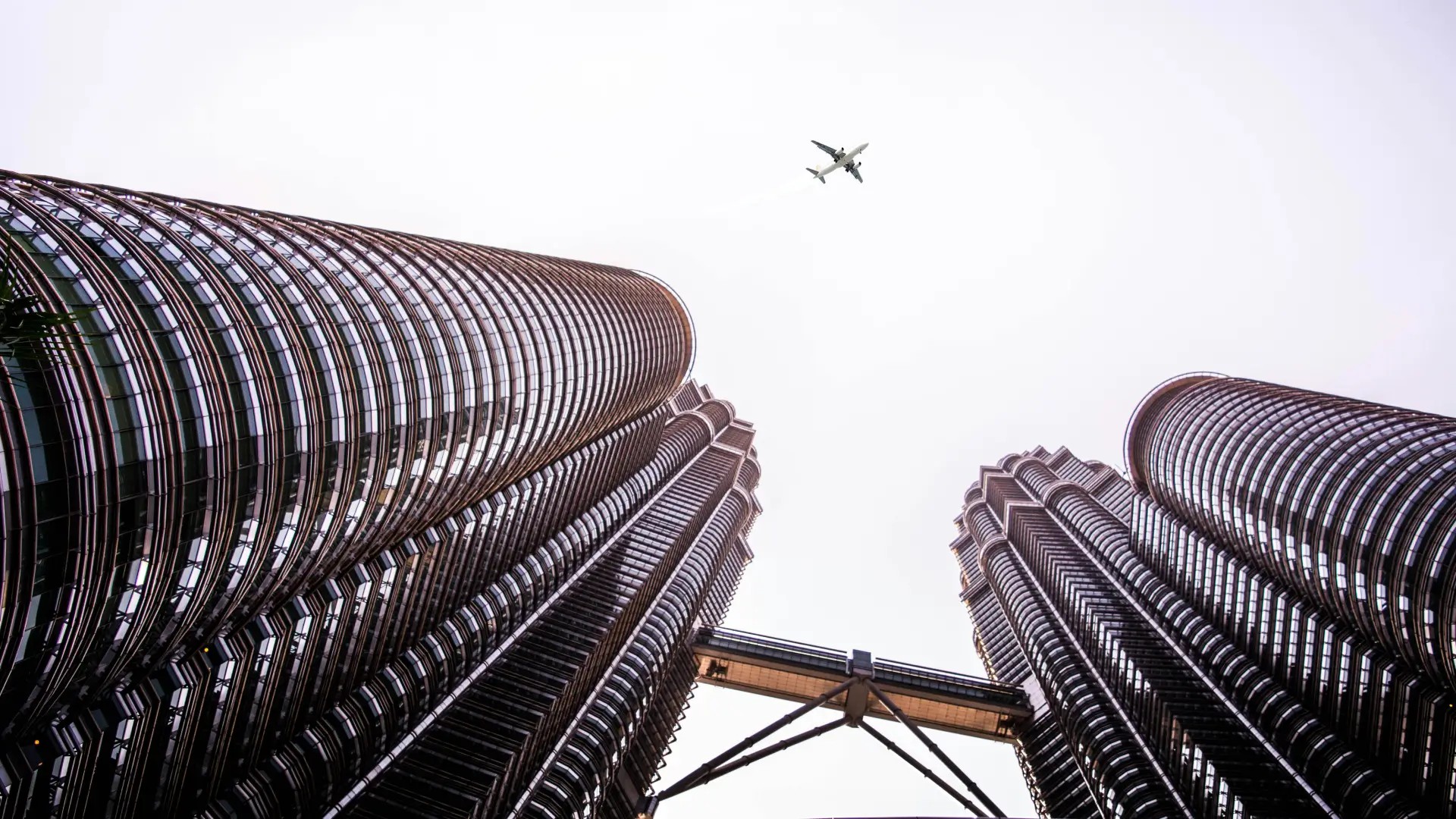
Finding the cheapest flights to Kuala Lumpur
If you’re searching for the cheapest time to fly to Malaysia, the sweet spots are usually March, May, and October.
These months sit between the major holiday peaks, meaning airlines often lower prices to fill seats. Booking three to four months in advance during these shoulder periods can lead to some of the best airfare deals of the year.
You’ll also benefit from fewer crowds and better hotel availability.

Source / Credit: Polina Kuzovkova
High vs. low season: When to travel for less
Malaysia’s high tourist season usually falls between December–January and June–August, when international school holidays bring a surge of visitors.
During these months, hotels fill quickly and prices can rise.
The low or shoulder season (February–May and September–November) often provides excellent value. Hotels frequently offer promotions, and you might be able to enjoy “off peak luxury” at less than luxury prices. Attractions and markets are quieter so you might find your bargaining power goes a little further, and you can enjoy a more relaxed pace while exploring cities and beaches.
Best time to visit Kuala Lumpur’s top attractions
Kuala Lumpur is packed with exciting things to see and do, from iconic landmarks to modern theme attractions. The good news for travellers is that many activities remain enjoyable throughout the year, regardless of the weather.

Source / Credit: Skyline Luge Kuala Lumpur
Skyline Luge Kuala Lumpur: A year-round adventure
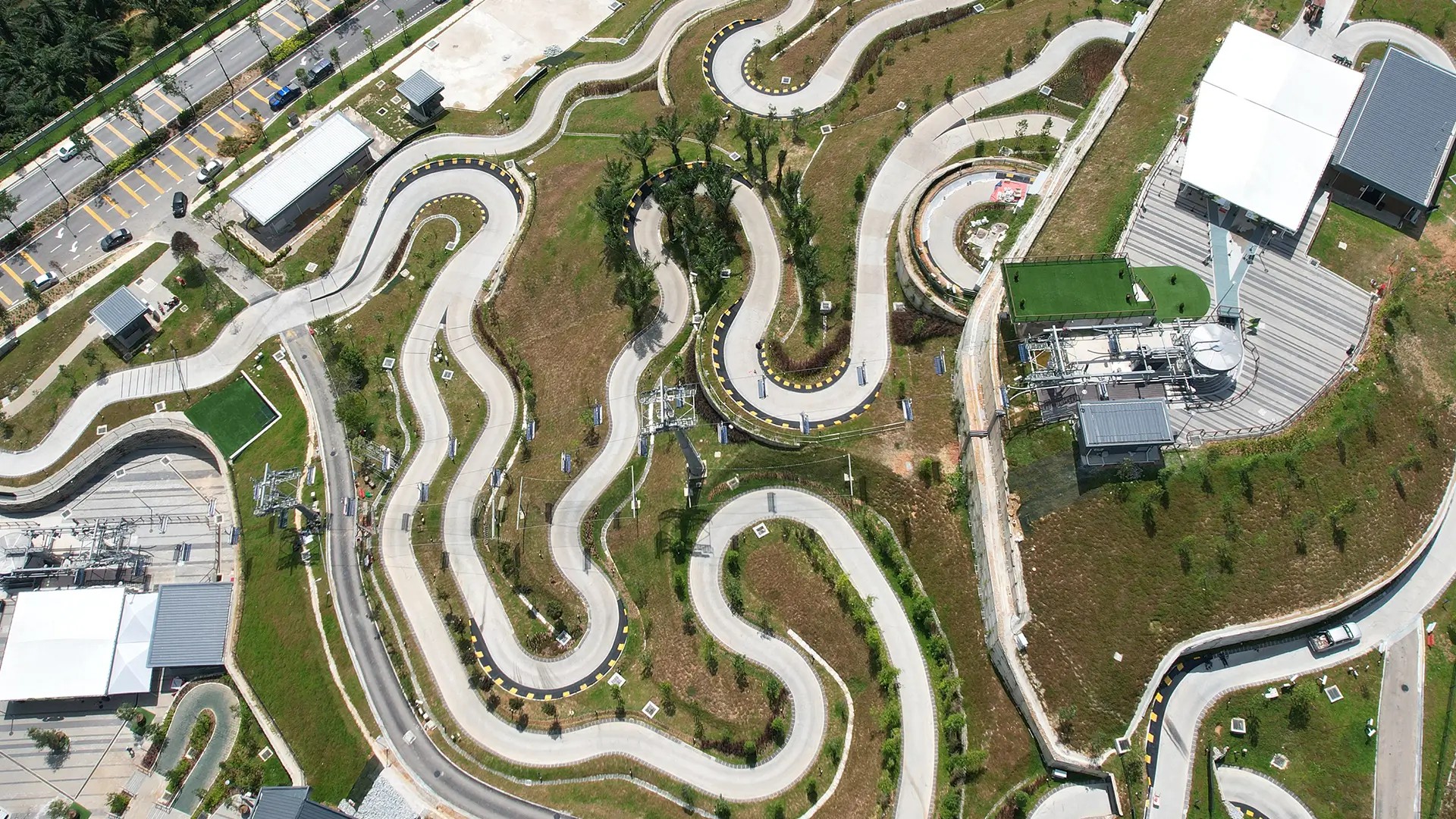
One of those activities is Skyline Luge Kuala Lumpur at Gamuda Gardens. It’s one of the city’s most unique outdoor attractions.
Unlike beach destinations that depend heavily on seasonal weather, the Luge operates year-round. Even after tropical rain showers, the tracks typically dry quickly, allowing visitors to continue the fun shortly afterwards.
For travellers worried about weather disruptions, the attraction also offers a revalidation policy, allowing guests to return if rain interrupts their ride session.
Source / Credit: Skyline Luge Kuala Lumpur
Best value days to visit with fewer crowds
If you’re planning a visit to Kuala Lumpur’s Skyline Luge, timing your visit can make a big difference.
Midweek — particularly Tuesday to Thursday — are the “hidden gem” days and the insider’s choice — these are the quietest days. Shorter queues on these days mean more rides per hour, and a smoother experience compared to busy weekends. Booking tickets online means you can skip the counter queue, too.
If you are visiting on a weekend or during the school holidays, arriving around opening time (10am) helps beat the queues. Crowds also thin out around dinner time (7-8pm) during Ramadan, so it’s quieter. Try Night Luge sessions from Friday to Sunday evenings, when the tracks glow under multicoloured lights, it’s also much cooler.

Source / Credit: Skyline Luge Kuala Lumpur
Finding the best deals on Luge tickets
If you’re planning on riding the Luge, check the latest deals and Skyline Luge ticket prices beforehand. You can often find online-exclusive packages and combo deals that offer better value for families and groups, than purchasing on arrival.
Promotions are most common during off-peak travel months such as February–April and September–November.
However, if you are coming in peak festive season (Dec-February) it’s wise to book early. There are also a special seasonal deals, such as “Ong for Luge” during Chinese New Year or promotions during Ramadan.
Month-by-month guide to planning your trip
Malaysia offers something different in every season. From festive celebrations to quieter travel periods, each part of the year has its own advantages.
Here’s a simple breakdown to help you decide the best time of year to visit Malaysia.
Source / Credit: Eirik-Skarstein
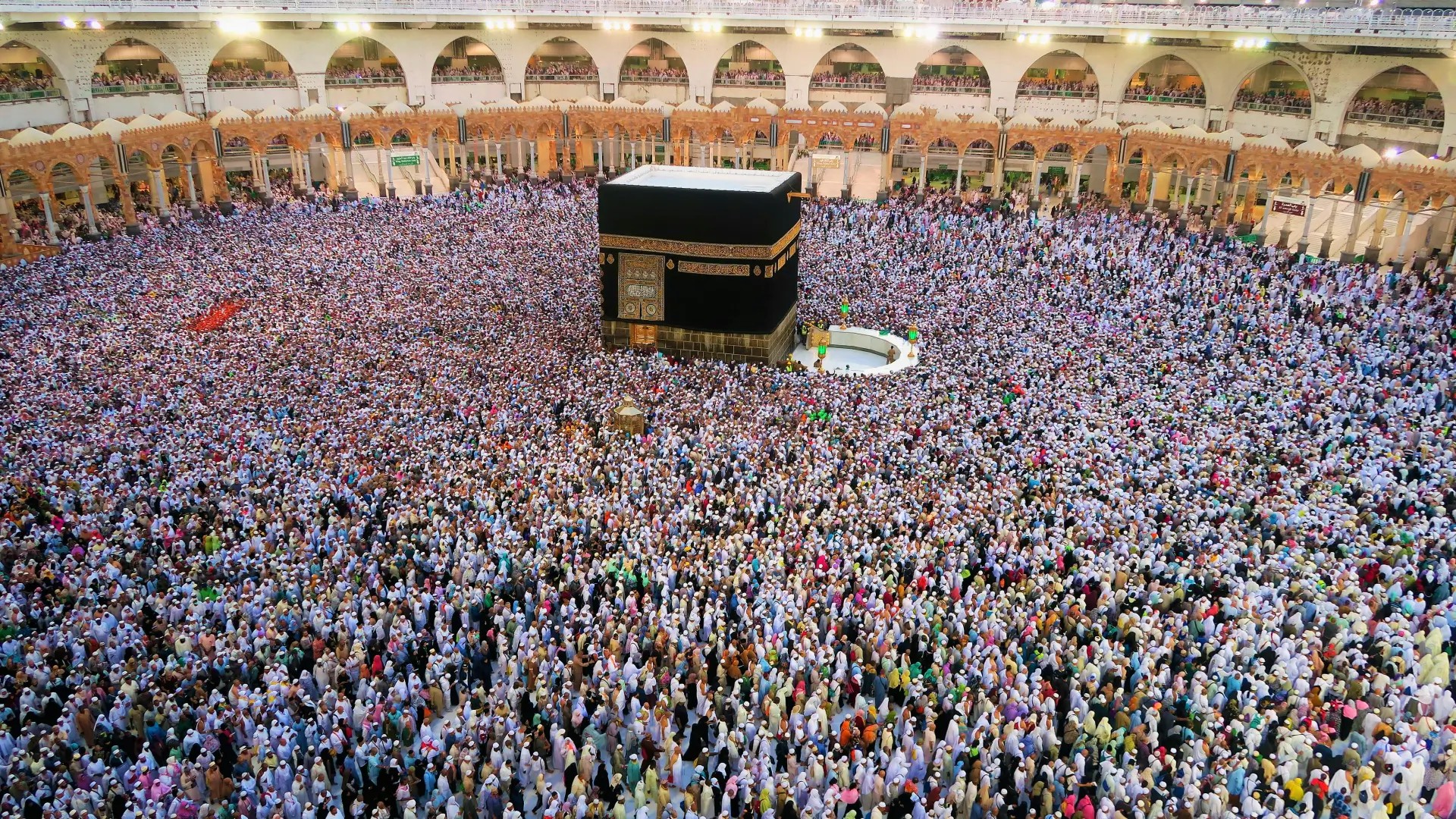
December to February: The festive high season
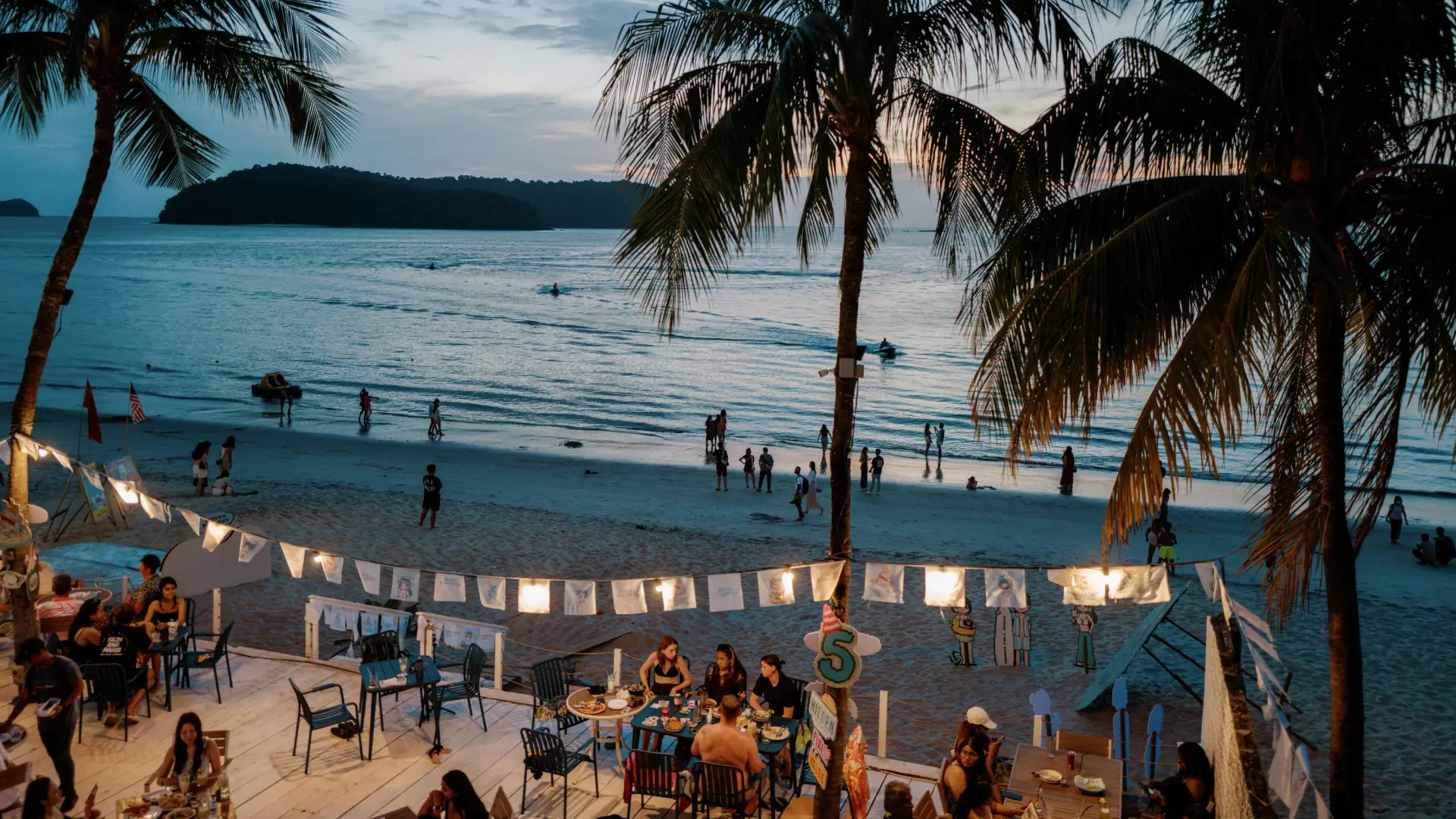
This is one of the most exciting times to visit Malaysia. The west coast enjoys relatively dry weather, making Kuala Lumpur, Penang, and Langkawi especially popular.
The country comes alive with celebrations including Christmas, New Year, and Chinese New Year. Nearby attractions such as Batu Caves near Rawang also host colourful festivals such as Thaipusam.
Source / Credit: Ekrem Osmanoglu
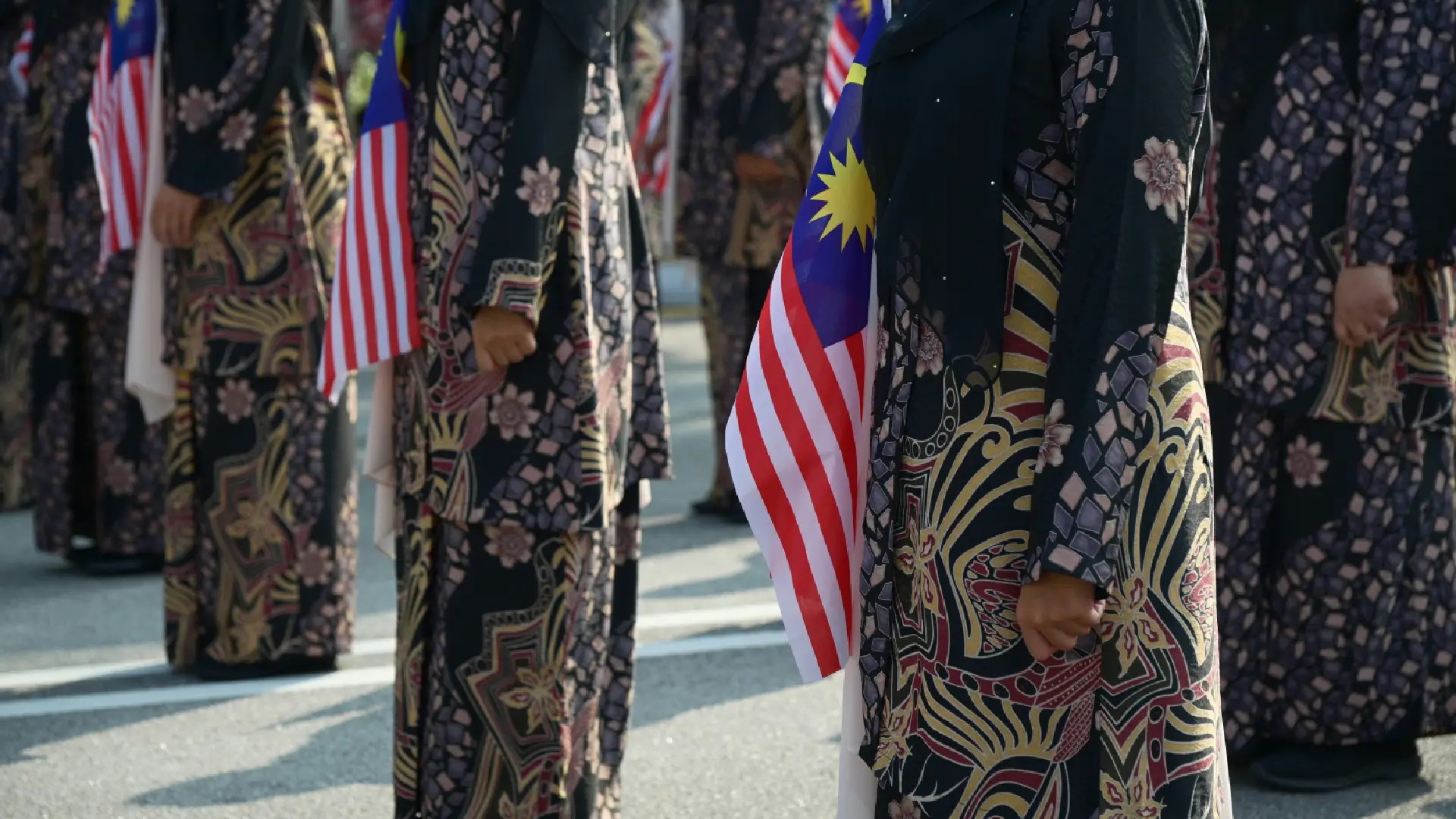
March to May: The shoulder season (best for budget)
March to May is one of the best-value periods to visit Malaysia.
Flights and hotels are typically cheaper, and while Kuala Lumpur may have occasional afternoon thunderstorms, they usually pass quickly.
During this time, Ramadan often takes place, bringing lively evening food markets known as Buka Puasa bazaars. These are fantastic places to try local dishes and experience Malaysian culture.
Crowds also thin out around dinner time (7-8pm) during Ramadan, creating a surprisingly quiet window for other evening activities.
Source / Credit: Kelvin Zyteng
June to August: The global summer peak
This is a busy time, as a surge of international travellers come south escaping the northern hemisphere summer.
Weather in Kuala Lumpur is generally hot and relatively dry, making it ideal for exploring the city’s attractions. Meanwhile, the east coast islands enjoy excellent diving conditions.
Food lovers will also appreciate durian season, which peaks in July, while Merdeka Day in August fills the capital with parades and celebrations.
To beat the heat, many visitors explore the city during the evening. Attractions like Night Luge sessions on weekend evenings (Fri-Sun) offer fun at cooler temperatures and a lively atmosphere after sunset. Look for specials on Merdeka Day too.

Source / Credit: Singapore Tourism Board
September to November: The “green” season
This quieter travel period brings higher rainfall, especially during the inter-monsoon months.
While short storms are common, they also transform the landscape into lush greenery — which is why many travellers call this the “green season.”
Festivals such as Malaysia Day and Deepavali (the Festival of Lights) bring vibrant celebrations across the country.
Even with occasional rain, Kuala Lumpur remains active with plenty of indoor attractions, shopping, and dining. Outdoor experiences typically resume quickly once showers pass.
Frequently asked questions
Which is the best month to visit Malaysia?
June to August generally offers the most consistent weather nationwide. However, January and February are excellent for the west coast, with lively festivals such as Chinese New Year.
When not to go to Kuala Lumpur?
There’s no ‘bad’ time to visit Kuala Lumpur. The most humid (and potentially crowded) period is usually between 12pm and 3pm. Late afternoon rains in November can be very wet, but there are plenty of malls and indoor attractions to explore.
What is the hottest month in Malaysia?
March and April are typically the hottest months, with temperatures sometimes rising above 33°C before cooling monsoon showers arrive.
What’s the cheapest month to fly to Malaysia?
February, March, and October often have the lowest airfares because they are outside major international holiday periods.
Which month is cheaper to visit Malaysia?
November is often the cheapest month for hotels and tours, with prices dropping as much as 40% below mid-year rates for both accommodation and air travel. Rainfall is higher in the west, and tourist demand drops.
What is the typhoon season in Malaysia?
Malaysia sits south of the main typhoon belt. While outer weather systems may occasionally affect Borneo, direct typhoons are extremely rare.
What is the rainy season in Malaysia?
Rain varies by region. The west coast areas such as Kuala Lumpur and Penang have moderate rainfall between April and October, while the east coast monsoon runs from November to February. The Perhentian and Tioman islands can close during this time.
What is the coldest month in Malaysia?
It doesn’t really get ‘cold’ in Malaysia, but January is technically the coolest month, with evening temperatures occasionally dropping to around 23°C after rain.
What is the rainiest month in Kuala Lumpur?
November usually has the highest rainfall; intense afternoon thunderstorms are often responsible.
What are Malaysia’s peak tourist seasons?
Peak travel periods are between December–January and June–August, when international summer holidays bring higher visitor numbers to Malaysia.
Which weather is best for Malaysia?
If you’re heading to the beach, most travellers prefer the dry season. Jan/Feb for the west coast, June to August for the east coast. For city trips to places such as Kuala Lumpur, slightly cloudy weather can make sightseeing more comfortable.
What is the off season in Malaysia?
March–April and September–October are considered the shoulder seasons, offering a good balance of manageable weather, smaller crowds, and better prices.